
Malala Yousafzai: The Girl Who Stood Up for Education
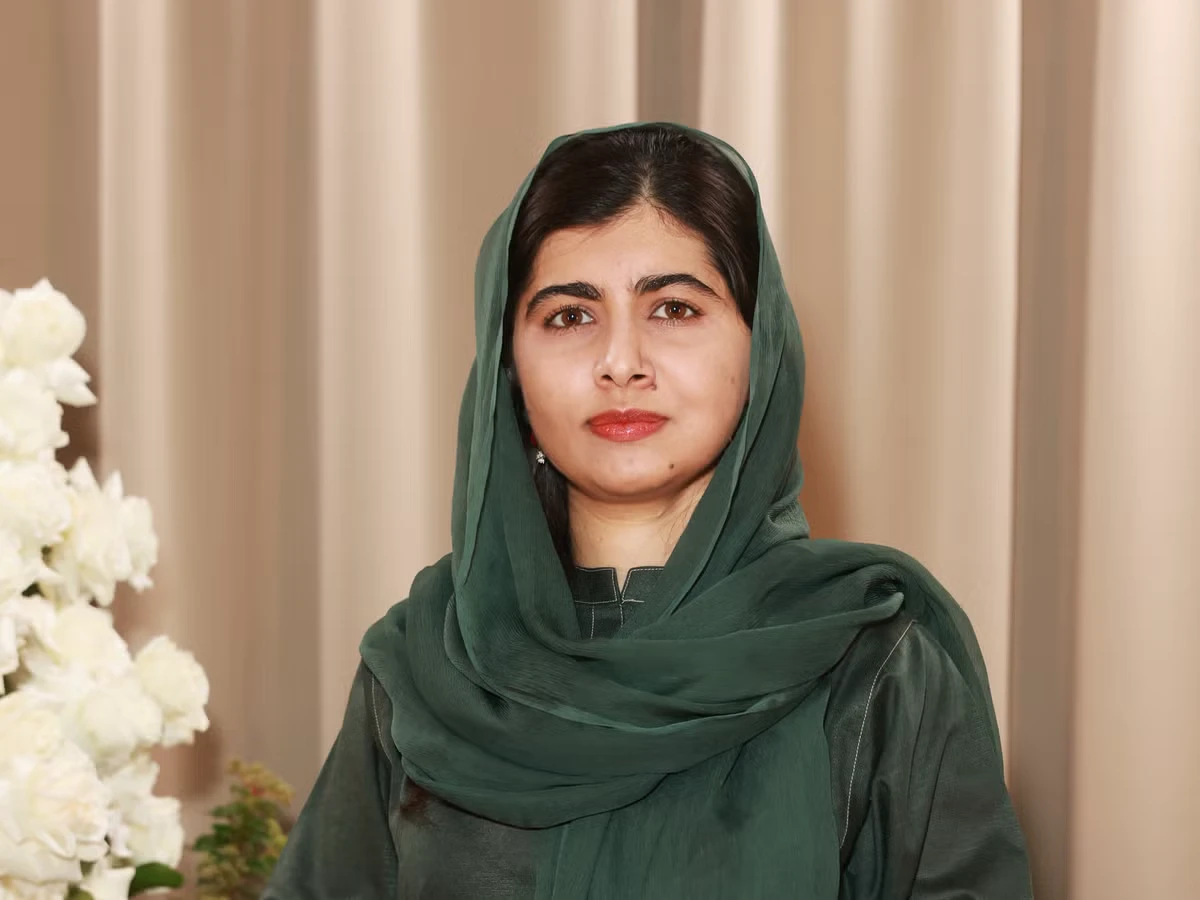
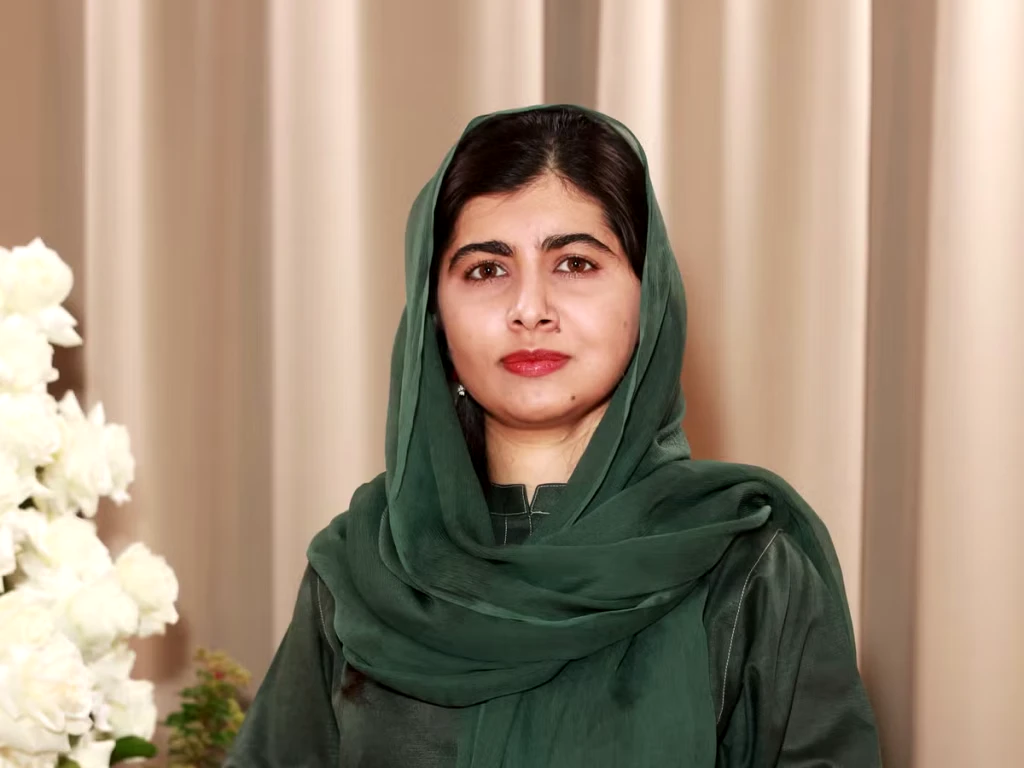
On October 9, 2012, a 15-year-old girl boarded her school bus in Pakistan’s Swat Valley, just like any other day. A masked gunman climbed aboard, asked “Who is Malala?” and shot her in the head. The Taliban had tried to silence her for doing something they considered dangerous: going to school and encouraging other girls to do the same.
She survived. And two years later, she became the youngest person ever to win the Nobel Peace Prize.
Table of Contents
Toggle
- A Valley Transformed by Violence
- A Young Voice Against Oppression
- The Attack That Shocked the World
- Recovery and Return to Purpose
- The Nobel and Beyond
- Education as Revolution
- The Girl Who Changed the Conversation
- A Movement, Not Just a Moment
- Sources and Further Reading
A Valley Transformed by Violence
Malala Yousafzai was born in 1997 in Mingora, a city in Pakistan’s Swat Valley. Her father, Ziauddin, ran a school and believed passionately in education for everyone—including girls. This wasn’t controversial in their community at first. Swat Valley was known as the “Switzerland of Pakistan,” a beautiful region where girls attended school alongside boys.
Then the Taliban arrived. Starting in 2007, they began taking control of the region, imposing strict rules based on their extreme interpretation of Islamic law. They banned television, music, and women shopping without male relatives. Most devastating for families like Malala’s: they banned girls from going to school.
The Taliban destroyed over 400 schools, specifically targeting girls’ schools. They announced their rules over the radio, and people who disobeyed faced severe punishment. Many families, terrified, kept their daughters home.
But Malala kept going to school. At age 11, she began speaking out publicly about girls’ right to education.
A Young Voice Against Oppression
In 2009, a BBC journalist asked Ziauddin to find a student willing to write an anonymous blog about life under Taliban rule. Malala, just 11 years old, volunteered. Writing under the pseudonym “Gul Makai,” she described her daily life: the sound of artillery at night, schools being blown up, the fear when walking to class, and her determination to keep learning.
“I had a terrible dream yesterday with military helicopters and the Taliban,” she wrote in one entry. “I have had such dreams since the launch of the military operation in Swat. I was afraid going to school because the Taliban had issued an edict banning all girls from attending schools.”
Her blog gained attention inside Pakistan and internationally. Soon her identity became known, and Malala began speaking at events, giving interviews, and becoming the face of girls’ education in Pakistan. At 11 and 12 years old, she was articulate, brave, and unwavering in her message: girls deserved education.
This made her a target.
The Attack That Shocked the World
By 2012, the Pakistani military had pushed the Taliban out of Swat Valley’s main areas, and schools had reopened. But Taliban fighters still operated in the region, and Malala remained on their radar. She received death threats, but her family made a difficult calculation: the work was too important to stop.
That October afternoon, Malala was sitting with friends on the school bus, heading home after an exam. The gunman fired three shots. One bullet entered Malala’s head, traveling through her skull before lodging near her shoulder. Two other girls were also injured.
The attack nearly killed her. Pakistani doctors performed emergency surgery, but she was so severely injured that they arranged for her to be flown to Birmingham, England, for specialized treatment. She remained in critical condition for days, and doctors weren’t sure she would survive—or if she did, whether she’d have permanent brain damage.
The attack sparked international outrage. Millions of people who had never heard of Malala suddenly knew her name. Vigils were held worldwide. Pakistani politicians condemned the attack, and even Taliban leaders in other countries said the shooting violated Islamic law.
Recovery and Return to Purpose
Malala woke up a week later in a British hospital, disoriented and unable to speak at first. She had survived, but her recovery was long and painful. She needed multiple surgeries, including having a titanium plate inserted to repair her skull. The left side of her face was partially paralyzed.
Most people would have retreated from public life after such trauma. Malala did the opposite. Just months after the attack, she gave a speech at the United Nations on her 16th birthday. “They thought that the bullets would silence us,” she said. “But they failed. And out of that silence came thousands of voices.”
Her family couldn’t return to Pakistan safely, so they settled in Birmingham. Malala enrolled in school there, continuing her own education while advocating for girls worldwide. She established the Malala Fund, an organization dedicated to securing 12 years of free, quality education for every girl.
The Nobel and Beyond
In 2014, at age 17, Malala won the Nobel Peace Prize, sharing it with Indian children’s rights activist Kailash Satyarthi. She was the youngest Nobel laureate in any category, and she continued attending her Birmingham high school even after winning the prize, much to her classmates’ amazement.
The Nobel committee praised her “courageous” work for girls’ education despite “the threat to her own life.” But Malala was quick to point out that she represented millions of girls who faced similar barriers to education without international attention or protection.
“I tell my story, not because it is unique, but because it is not,” she said in her acceptance speech. “It is the story of many girls.”
Education as Revolution
What made Malala’s advocacy so powerful was her simple, unwavering message: education is a fundamental right. She didn’t frame it as charity or a luxury—she insisted it was something every child deserved, particularly girls who faced the most barriers.
The statistics backed her up. Globally, over 130 million girls are out of school. In many places, poverty, child marriage, and cultural attitudes prevent girls from attending school. Research shows that educating girls has massive ripple effects: educated women earn more money, have healthier children, and participate more fully in their communities.
Malala’s message resonated because it was both radical and simple: girls deserve the same opportunities as boys. The Taliban tried to silence her because they understood how dangerous educated women are to oppressive systems. An educated girl becomes an empowered woman who can challenge inequality and injustice.
The Girl Who Changed the Conversation
Today, Malala is a graduate of Oxford University, where she studied philosophy, politics, and economics. She continues her advocacy work through the Malala Fund, which operates in countries including Pakistan, Afghanistan, Nigeria, and Lebanon. The organization has helped thousands of girls access education and pushes for policy changes at the highest levels.
She’s also become a cultural figure in ways that would have been impossible before her story became known. She’s been featured on magazine covers, interviewed on late-night television, and even had her own documentary film. Young girls around the world know her name and see her as proof that their voices matter.
But Malala is careful not to be seen only as a symbol. She’s a real person who likes watching cooking shows, worries about exams, and occasionally argues with her younger brothers. This relatability—the fact that she’s both extraordinary and ordinary—makes her story even more powerful.
A Movement, Not Just a Moment
The Taliban wanted to make an example of Malala, to show girls what would happen if they pursued education. Instead, they created a global advocate whose voice reaches millions. The shooting that was meant to silence her amplified her message beyond what anyone could have imagined.
Her story raises uncomfortable questions: How many Malalas are there around the world whose stories we never hear because they didn’t survive or because no camera was watching? What does it say about our world that a teenager had to be shot in the head for us to pay attention to girls’ education?
But Malala focuses on solutions, not despair. “One child, one teacher, one book, one pen can change the world,” she famously said. It’s become her signature message, a reminder that education is both a personal transformation and a tool for social change.
The girl who defied the Taliban by going to school became the woman who’s working to ensure millions of other girls have the same chance. She didn’t just stand up for education—she’s helped create a global movement that treats girls’ education as a non-negotiable human right. For that, her voice will echo through history, proving that even the most violent attempts at silencing can never truly destroy an idea whose time has come.
Sources and Further Reading
- “I Am Malala: The Girl Who Stood Up for Education and Was Shot by the Taliban” by Malala Yousafzai
- The Malala Fund official website and annual reports
- Nobel Prize archives and Malala’s acceptance speech
- BBC Urdu blog archives (original “Diary of a Pakistani Schoolgirl”)
- United Nations Global Education Monitoring Report on gender equality in education