
The Flint Water Crisis: How a City Poisoned Its Own Citizens


The water coming from LeeAnne Walters’ tap looked like urine. Sometimes it was brown, sometimes orange, but it was never clear. Her children were developing mysterious rashes after bathing, and her 3-year-old twins had stopped growing. When she complained to city officials in early 2015, they told her the water was perfectly safe—just add a filter and maybe some lemon for taste. Within months, her son would be diagnosed with lead poisoning, and the city of Flint, Michigan would become synonymous with one of the worst public health disasters in modern American history.
What happened in Flint wasn’t a natural disaster or an unavoidable tragedy. It was a man-made catastrophe born from a toxic combination of financial desperation, political negligence, and the systematic dismissal of a community’s concerns. For 18 months, while residents complained about discolored water, hair loss, and rashes, government officials insisted everything was fine. They weren’t just wrong—they were covering up a crisis that would poison an entire city.
Table of Contents
Toggle
- A City Already on Its Knees
- The Switch That Changed Everything
- The Doctor Who Wouldn’t Stay Silent
- The Crime of the Century
- A City Still Waiting for Justice
- The Warning We Refused to Hear
- Sources and Further Reading
A City Already on Its Knees
To understand how Flint poisoned its own citizens, you need to understand what Flint had already lost. Once a thriving hub of the American auto industry—the birthplace of General Motors—Flint had been bleeding jobs and residents for decades. By 2011, the city that once housed 200,000 people had shrunk to fewer than 100,000. Half the residents lived below the poverty line. Abandoned houses dotted every neighborhood like missing teeth in a broken smile.
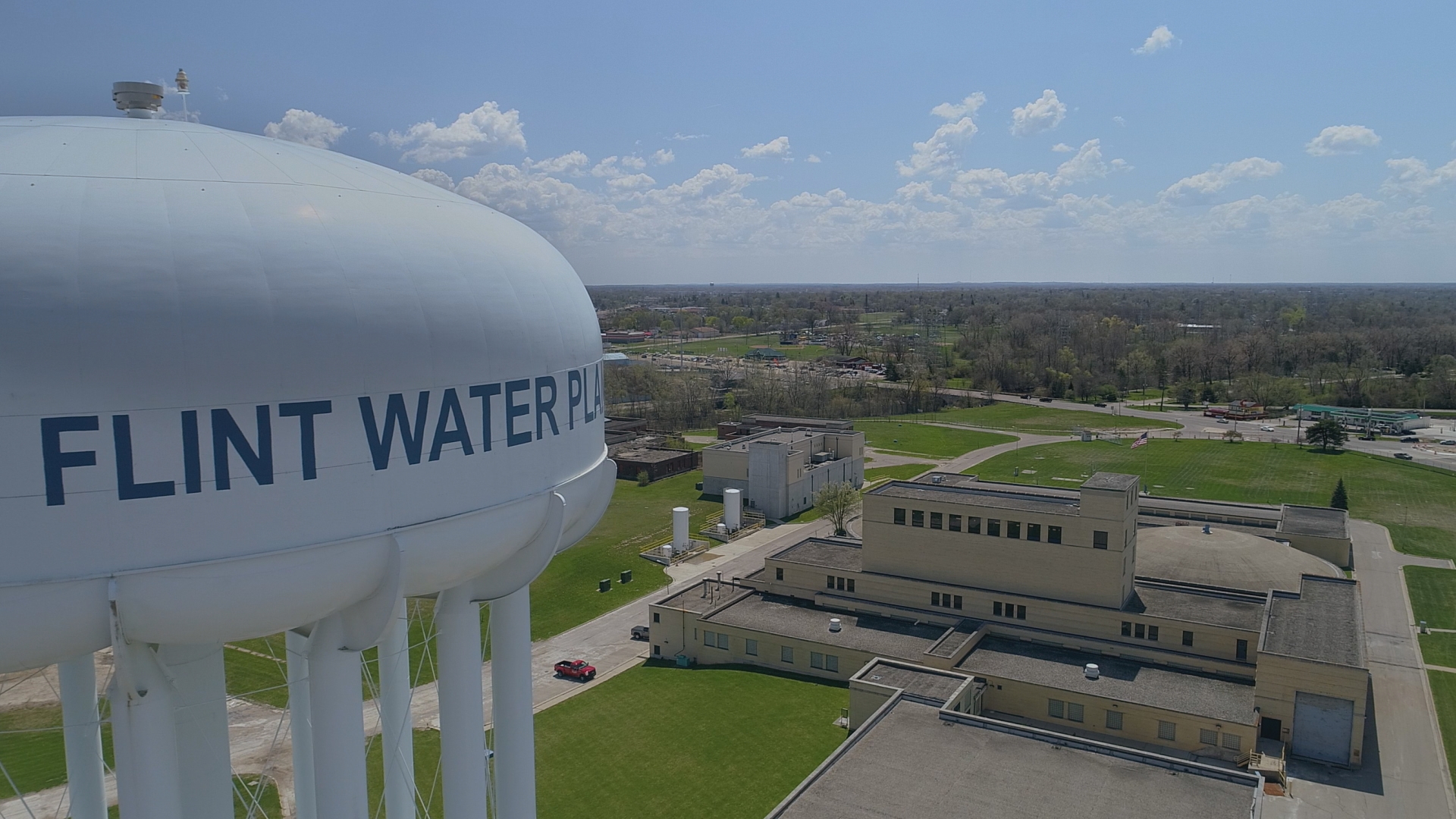
The city was also broke. Facing a $25 million deficit and under state-appointed emergency management since 2011, Flint needed to cut costs wherever possible. That’s when officials spotted what looked like an easy target: the water bill. Flint had been buying pre-treated water from Detroit for nearly 50 years, but Detroit’s prices kept climbing. Why not use the Flint River instead? It would save the city $5 million over two years.
On paper, switching water sources seemed like basic fiscal responsibility. In reality, it would become a decision measured in poisoned children and shattered trust.
The Switch That Changed Everything
On April 25, 2014, Flint officials gathered for a ceremonial toast at the water treatment plant. “Here’s to Flint!” they cheered, raising glasses of the city’s new river water. Mayor Dayne Walling called it “regular, good, pure drinking water.” Within weeks, residents knew something was terribly wrong.
The complaints started almost immediately. The water smelled like rotten eggs. It looked cloudy, sometimes yellow or brown. At a community meeting, residents held up jugs of discolored water while officials insisted it met all safety standards. General Motors—one of the few major employers left in Flint—noticed the water was corroding car parts and quietly switched back to Detroit water for their factory. But residents had no such option.
Here’s what city officials knew but didn’t advertise: the Flint River had been an industrial dumping ground for decades. More critically, they failed to add corrosion control chemicals to the water—a federal requirement that would have cost just $100 per day. Without these chemicals, the river water was literally stripping lead from the city’s aging pipes and depositing it directly into people’s homes.
The Doctor Who Wouldn’t Stay Silent
By the summer of 2015, LeeAnne Walters had tested her water privately and found lead levels of 13,200 parts per billion—nearly 900 times the EPA’s action level. When she shared these results with the EPA, they dismissed them as an isolated incident. That’s when Dr. Mona Hanna-Attisha entered the picture.
A pediatrician at Flint’s Hurley Medical Center, Dr. Hanna-Attisha had heard the water complaints but initially trusted official assurances. Then, at a dinner party, a friend who worked in water research mentioned the missing corrosion control. Hanna-Attisha went cold. As a pediatrician, she knew exactly what lead does to children’s developing brains: it causes irreversible damage, lowering IQ, affecting behavior, and stunting growth.
She pulled blood test records for hundreds of children and made a horrifying discovery. Since the water switch, the percentage of Flint children with elevated blood lead levels had doubled—and in some neighborhoods, it had tripled. When she presented her findings publicly in September 2015, state officials immediately attacked her credibility. They called her research “unfortunate” and accused her of causing unnecessary hysteria.
But Hanna-Attisha had receipts. She released her data publicly, forcing officials to confirm her findings with their own reluctant analysis. Within two weeks, Flint reconnected to Detroit’s water system. The damage, however, was already done.
The Crime of the Century
The Flint water crisis wasn’t just about lead—though that was devastating enough. The inadequately treated river water had also triggered an outbreak of Legionnaires’ disease that killed at least 12 people and sickened dozens more. Some experts believe the true death toll was far higher, as many pneumonia deaths during this period were never tested for Legionella bacteria.
As investigations unfolded, a pattern of deliberate deception emerged. Email records showed that officials had actively manipulated water testing data to hide the lead problem. They told residents to “pre-flush” their taps before testing, which artificially lowered lead readings. They threw out tests with high results. When the EPA tried to raise concerns, Michigan officials fought to keep the information quiet.
One email from a state nurse would become infamous: “I would hate to be the one responsible for causing a community-wide panic.” Meanwhile, children were drinking water with enough lead to cause permanent brain damage.
A City Still Waiting for Justice
The crisis officially ended in 2017 when water tests finally showed lead levels below federal action limits, but for Flint residents, the nightmare continues. Many still don’t trust the tap water—and why should they? The psychological trauma of being poisoned by your own government doesn’t disappear when pipe replacement is complete.
Thousands of children now face a lifetime of potential learning disabilities, behavioral problems, and health issues. The true scope won’t be known for years, as lead’s effects on child development unfold slowly. Criminal charges were filed against 15 state and local officials, including involuntary manslaughter charges, though most cases have been dismissed or are still pending nearly a decade later.
The financial cost exceeded $600 million in settlements, pipe replacements, and healthcare. But you can’t put a price on the 9,000 children under age 6 who were exposed to lead during the crisis. You can’t calculate the cost of a community’s complete loss of faith in the institutions meant to protect them.
The Warning We Refused to Hear
Flint wasn’t supposed to happen in 21st century America. We’ve known lead was poison since the Roman Empire. We’ve had federal safe drinking water standards since 1974. Yet a combination of emergency management that prioritized budgets over people, officials who viewed poor residents as expendable, and a system that ignored community voices created a perfect storm of preventable tragedy.
The most infuriating part? Flint residents saw it coming. They reported the problems, brought jugs of brown water to meetings, shared pictures on social media, and pleaded for help. They were dismissed as hysterical, told they were imagining things, assured repeatedly that their water was safe. It took a determined pediatrician with undeniable data to force the truth into the light.
Today, when you Google “Flint water,” the search engine autocompletes with “is it safe now?” That question mark hangs over the city like a permanent cloud. Because once your government has poisoned you and lied about it, how do you ever trust again? The pipes might be fixed, but the broken faith in democracy itself may never fully heal.
The water in Flint runs clear now, they say. But for thousands of families, the damage flows on—invisible, irreversible, and unforgivable.
Sources and Further Reading
- “What the Eyes Don’t See” by Dr. Mona Hanna-Attisha (2018)
- Michigan Civil Rights Commission Report: “The Flint Water Crisis: Systemic Racism Through the Lens of Flint” (2017)
- EPA Report: “Management Weaknesses Delayed Response to Flint Water Crisis” (2018)
- “The Poisoned City” by Anna Clark (2018)
- Peer-reviewed study: “Elevated Blood Lead Levels in Children Associated With the Flint Drinking Water Crisis” – American Journal of Public Health (2016)
- CDC Morbidity and Mortality Weekly Report: “Legionnaires’ Disease Outbreaks Associated with Environmental Contamination” (2016)