
The Panama Papers: History’s Biggest Data Leak Exposed Global Corruption


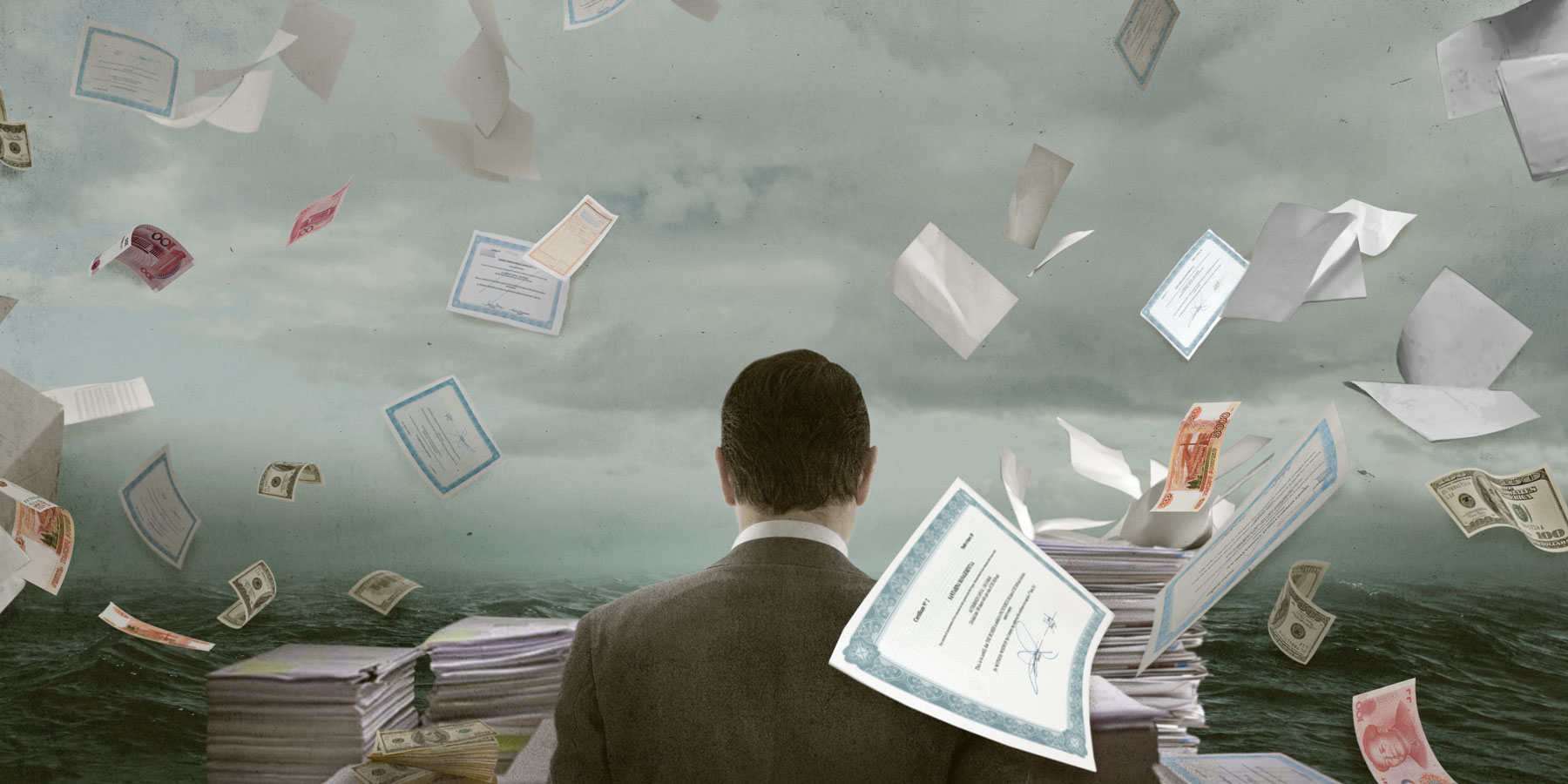
Imagine opening your inbox one morning and finding 11.5 million confidential files detailing the secret financial dealings of presidents, billionaires, and movie stars. That’s what happened in 2016 — except it wasn’t an inbox. It was the biggest data leak in history, and it cracked open a hidden world of offshore money that even Hollywood couldn’t dream up.
Welcome to the story of the Panama Papers, the leak that turned a quiet law firm into a global scandal and changed how the world talks about wealth, secrecy, and accountability.
Table of Contents
Toggle
- It All Started With “Hello, This Is John Doe”
- How Journalists Turned A Data Dump Into A Global Earthquake
- So What Exactly Did The Panama Papers Reveal?
- When The Leak Shook Governments (And One Fell Apart)
- Why It Mattered (And Still Does)
- The Mystery Of John Doe
- What The Panama Papers Tell Us About Power And Secrecy
- A Scandal That Sparked A Movement
- What We Learned From The Leak Of The CenturySources And Further Reading
It All Started With “Hello, This Is John Doe”
The whole saga began, rather unceremoniously, with a single anonymous message.
In 2015, an unknown source contacted German journalist Bastian Obermayer from the newspaper Süddeutsche Zeitung with a simple greeting: “Hello. This is John Doe. Interested in data?”
The data in question came from Mossack Fonseca, a Panamanian law firm that specialized in creating offshore companies, which are legal entities used by people to hold assets in foreign countries. Some use them for legitimate reasons like privacy or international trade. Others, however, use them to hide wealth, dodge taxes, or mask illegal activities.
What John Doe had wasn’t a handful of files; it was a digital mountain: 2.6 terabytes of internal documents spanning nearly 40 years. Think of it as the law firm’s diary, every page digitized and ready to spill secrets.
How Journalists Turned A Data Dump Into A Global Earthquake
Handling the leak was no small task. Süddeutsche Zeitung quickly realized the story was far too big for one newsroom. They partnered with the International Consortium of Investigative Journalists (ICIJ), bringing together more than 370 journalists from 76 countries.
This was history’s most ambitious journalism collaboration, bringing together hundreds of reporters united by one goal: uncovering the truth. Using encrypted channels and data-mapping software, they sifted through millions of emails, contracts, and spreadsheets.
Their discoveries were staggering. The files revealed that over 140 politicians, 12 national leaders, and hundreds of celebrities and business magnates had connections to secret offshore accounts.
Names like Iceland’s then Prime Minister Sigmundur Davíð Gunnlaugsson, close associates and friends of Vladimir Putin, and even soccer legend Lionel Messi popped up. (To be fair, appearing in the data didn’t automatically mean wrongdoing, but it raised serious questions.)
By April 3, 2016, the first stories hit the headlines, and the world collectively gasped.
So What Exactly Did The Panama Papers Reveal?
Here’s the short version: The leak showed how the ultra-wealthy and powerful used offshore companies to move money, sometimes legally, but often not.
Some highlights (or lowlights, depending on your specific view):
- World leaders and their relatives held shell companies linked to questionable funds.
- Corporations dodged taxes by routing profits through offshore havens like the British Virgin Islands.
- Criminal organizations laundered money with the help of Mossack Fonseca’s services.
The firm’s own emails often showed how they helped clients hide ownership, tweak documents, or move money through complex chains of entities, all to keep regulators and tax authorities guessing.
To be clear: offshore accounts aren’t automatically illegal. But the Panama Papers exposed how easily they could be abused, especially by those already in power.
When The Leak Shook Governments (And One Fell Apart)
The global reaction was immediate and explosive. Within days of the release:
- Iceland’s then Prime Minister resigned after protesters flooded Reykjavik’s streets, furious about his secret offshore links.
- The Pakistani Supreme Court disqualified former Prime Minister Nawaz Sharif from office after an investigation connected him and his children to offshore wealth.
- Countries from Argentina to Australia launched official probes into their citizens’ offshore dealings.
Mossack Fonseca, meanwhile, claimed innocence. They insisted that they only helped clients navigate complex international laws. However, the damage was done. By March 2018, the firm shut down permanently, citing “irreparable damage to reputation.”
You could say the Panama Papers didn’t just leak information; they rewrote the world’s definition of transparency.
Why It Mattered (And Still Does)
At its core, the Panama Papers wasn’t just about money; it was about trust.
When ordinary people pay taxes while the powerful quietly stash fortunes offshore, something cracks in the social contract. The leak forced governments to confront that inequality.
In the years that followed:
- The European Union passed tougher anti-money-laundering rules.
- Dozens of countries joined tax transparency agreements to share financial information.
- The ICIJ’s work inspired similar investigations, like the Paradise Papers and Pandora Papers, which further exposed hidden global wealth.
It’s fair to say the Panama Papers launched an entirely new era of financial accountability — or at least, the expectation of it.
The Mystery Of John Doe
Even today, the identity of “John Doe” remains unknown. In a 2016 1800-word manifesto, the whistleblower described the leak as a call for justice, not revenge, writing:
“Income inequality is one of the defining issues of our time. It affects all of us, the world over.”
John Doe claimed no political agenda and no payment, just a belief that the world deserved to know the truth.
It’s an oddly heroic note in a story full of shady dealings. While the firm’s clients hid behind shell companies, the leaker hid behind conscience.
What The Panama Papers Tell Us About Power And Secrecy
The Panama Papers weren’t the first BIG leak (ever heard of WikiLeaks or Edward Snowden?), but they were the most financially revealing.
They showed that secrecy isn’t just about spies or national security; it’s about money, the thread quietly tying power across borders.
Here’s the twist: the leak didn’t end offshore finance. Those systems still exist, though under closer watch. What truly changed was public perception.
After 2016, people everywhere became more aware of where money goes and where it hides. That’s a cultural shift you can’t easily lock away again.
A Scandal That Sparked A Movement
The Panama Papers’ impact still echoes today. Investigative journalism gained new respect and proved collaboration across borders can hold the powerful accountable.
For readers, the leak became a crash course in global economics. Terms like “offshore,” “tax haven,” and “shell company” entered everyday talk.
That’s the beauty of the story: it’s about corruption and secrecy, yes, but also about truth, courage, and connection.
Even in a digital world built on encryption and privacy, one person with the right data and the right conscience can completely change history.
What We Learned From The Leak Of The Century
So, what do the Panama Papers ultimately teach us? Maybe it’s that transparency isn’t just a policy; it’s a power.
They remind us that history isn’t only written by presidents or parliaments. Sometimes it’s rewritten by anonymous individuals who believe the truth should belong to everyone.
Do you agree? Or are you on the fence: do you think some things should stay hidden from the world?
Perhaps that’s why this story still resonates; it’s not just about where money goes, but about what happens when sunlight finally hits the shadows.
Sources And Further Reading
- “The Panama Papers: Exposing the Rogue Offshore Finance Industry” (International Consortium of Investigative Journalists)
- “What are the Panama Papers? A guide to history’s biggest data leak” (The Guardian)
- “The Panama Papers: What They Tell Us, Why They Matter and What Can Be Done” (Transparency International)
- “How Reporters Pulled Off the Panama Papers, the Biggest Leak in History” (Wired)